September 19, 2026
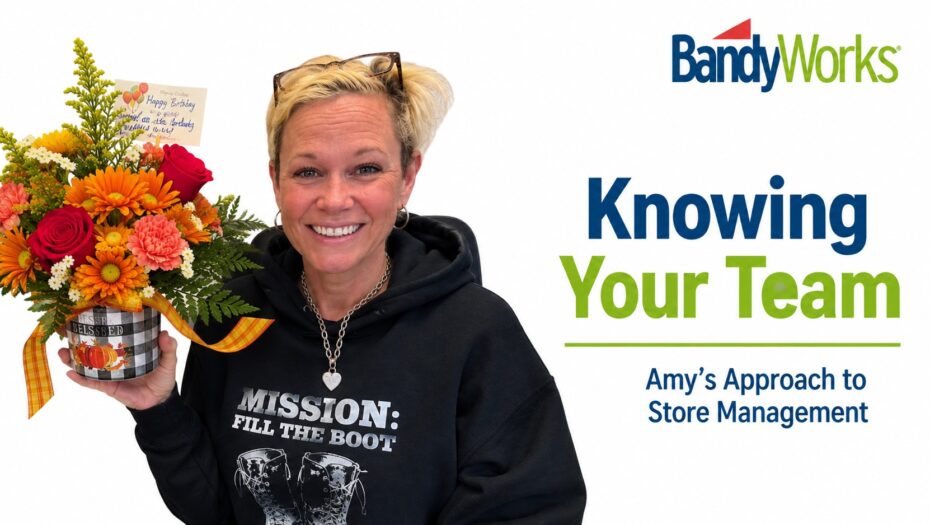
Knowing Your Team: Amy’s Approach to Store Management
Good store management starts with knowing your team. For Amy, that means spending time with employees before worrying about the back office, understanding different personalities, having the hard conversations when they are needed, and giving people enough responsibility to take ownership of their work. Her approach to c-store manager coaching is practical: know your people, know your product, track what matters, and step in when something isn’t working.
Build the Relationship Before the Hard Conversations
When Amy comes into a new store, her first priority isn’t paperwork or reports.
It’s her team.
“My first and main priority is my team,” she said. “I need my team to get to know me. I need to get to know my team.”
Amy knows that every employee is different, and getting to know those differences makes it easier to manage the team later. She isn’t afraid of difficult conversations, either.
“I’m not afraid to have hard conversations. I’m not afraid to put my expectations out there.”
Her approach is direct. When she trains someone, she wants them to learn the process that she knows works first. Once they understand it, there is room to adjust.
That directness also comes with communication. Amy believes employees need to know what is expected of them, but they also need to trust the person giving those expectations.
Trust Makes Accountability Easier
Like any manager, Amy gets tired of having the same conversation more than once. But she believes the relationship she has with her team makes a difference.
“I think it’s all about building a relationship where they trust me. If they trust me, then they’re going to listen to me.”
For Amy, accountability isn’t about avoiding uncomfortable conversations. It’s about knowing when to have them and understanding the person you’re talking to. Sometimes an employee needs to be held accountable.
Other times, they may genuinely be struggling and need help. Knowing the difference is part of the manager’s job.
Know Who Works Well Together
Amy pays attention to personalities and performance when managing her team. She has high performers, employees who need more development, and employees who simply don’t work well together.
One approach she uses is pairing a lower-performing employee with someone who is already performing well.
“When you put a lower-level employee with a higher-level employee, I think who is exceeding all those expectations, then you start to see the lower-performing one start to step up.”
But not every combination works. Amy is currently dealing with two employees who don’t get along, and their conflict has started to affect their work. Her solution has been to keep them separated.
It’s a good example of why managing a store isn’t always as simple as looking at a schedule and deciding where people should be.
You have to know the people behind the schedule.
Labor Isn’t Always Just About Cutting Hours
Amy’s experience also shows how quickly a manager’s plans can change during a shift.
One morning, one of her high performers called off. She was left with several newer employees who needed guidance while she still had trucks, promotions, and other responsibilities to handle.
So, she looked at what she could move off her own plate.
“Hey, can you go out and take the trash? Hey, can you break these boxes down? Hey, can you put this stuff away?”
The tasks were simple, but they gave her some room to focus on the responsibilities that needed her experience.
For Amy, managing labor and efficiency means understanding what the people in front of you can actually handle.
The schedule may say one thing. The reality of the shift may say something else.
Developing an Assistant Manager Takes Time
Amy doesn’t hand someone a new title and immediately expect them to lead. She watches them first.
- Are they stepping up?
- Are they showing up?
- How do they interact with the team?
- Can they handle more responsibility without letting it change how they treat other employees?
One thing Amy watches closely is whether someone is willing to be part of the team even after taking on more responsibility.
She described an assistant manager who finished their paperwork and then said they were going to take care of the trash. For Amy, that’s not the attitude she wants from someone in a leadership role.
Being a leader doesn’t mean certain jobs are suddenly beneath you.
Amy gradually increases responsibility from there. She puts assistant managers on second shift and watches how they handle the team when she isn’t there.
Some of her more difficult employees work that shift, which gives her a chance to see whether an assistant can manage, coach, and communicate without her standing nearby.
If they can handle that, then she moves them into bigger responsibilities such as paperwork and orders.
For Amy, trust and loyalty have to be earned.
Give Employees Ownership
Amy also gives experienced employees responsibility for specific areas of the store. She has a cooler person. Another employee handles the milk area, including ordering, outdates, and stocking.
Amy still checks the work, but she doesn’t need to do everything herself.
“You have to trust and verify, and you have to check in.”
Giving employees ownership also helps them learn their areas.
Instead of simply waiting for a manager to tell them what needs to be done, they start noticing what is selling, what is missing, and what needs attention.
Amy said employees will come to her and tell her what they need more of. That’s the kind of ownership she wants.
The employee knows their area, while the manager still knows the store as a whole.
Know Your Product and Track What Matters
Amy doesn’t consider herself an office manager.
“I hate being in the office. I don’t like looking at numbers.”
But she is a tracker.
She watches her categories every day and knows when something starts to change.
She also uses the BandyWorks Scorecard, but she doesn’t spend all day digging through every number. Instead, she chooses three categories each quarter to focus on and looks at where they were compared with where they are now.
For Amy, knowing the product is just as important as looking at the report.
“You have to know your product. You have to know your people. You have to know what’s going, you have to know what’s selling.”
The numbers help point her toward areas that need attention. Then she goes back to the floor to understand what is actually happening.
When Something Is Wrong, Find Out Why
Amy’s approach to her cooler is a good example.
If she sees too many holes, she doesn’t automatically assume the employee responsible for the cooler isn’t doing their job.
First, she checks.
- Is the product actually out?
- Is it somewhere else?
- Has something changed with ordering or shipments?
- Or is the employee struggling?
“If I’ve had a healthy conversation with my cooler person, I need to understand why there are 17 holes in the cooler and there are 17 products right here. Is there something I need to do to help you succeed a little bit better?”
If someone is genuinely struggling, Amy sees it as her responsibility to help them get the tools they need. If the issue is simply that the work wasn’t done, that’s a different conversation.
That difference is at the heart of good c-store manager coaching: don’t just react to the result. Understand what caused it.
It Comes Back to Knowing Your People
Whether Amy is talking about scheduling, sales, employee development, or category performance, the same idea keeps coming up.
Know your people.
Know what they’re good at.
Know where they need help.
Know who works well together.
Know who can handle more responsibility.
And know when something isn’t working.
The numbers can tell a manager that something has changed, but they don’t always tell you why.
That’s where knowing your team becomes important.
Amy’s approach isn’t about sitting in the office and managing everything from a report. It’s about staying close enough to the store to see what is happening and knowing the people responsible for making it run.
Watch Amy’s Full Conversation
Amy’s conversation covers team management, accountability, scheduling, assistant manager development, employee ownership, category tracking, and the realities of running a high-volume convenience store.
Watch the full conversation to hear Amy share her approach in her own words.
Looking for another perspective on building stronger c-store teams? Read Convenience Store Team Motivation: Beth’s Approach to understand how another convenience retail leader approaches communication and team development.