August 11, 2026
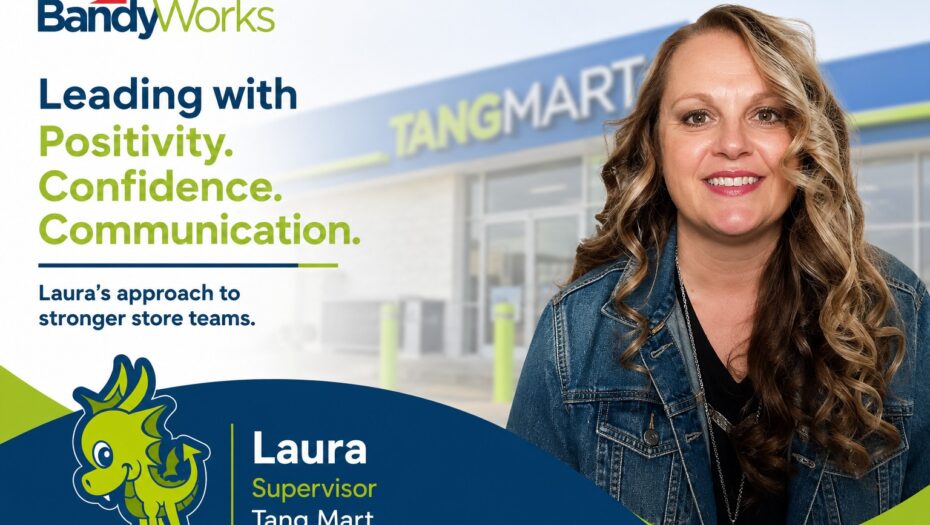
Sometimes the biggest changes in a convenience store start with the person leading the team. For Laura at Tang Mart, improving convenience store team communication meant first changing the way she approached her own role. After years in the business, she realized that becoming more positive, more confident, and more willing to listen was changing the way her store managers responded to her, and that change was carrying all the way down to the cashiers and customers.
Laura has been with Tang Mart for 14 years. She started as a single-store manager and gradually took on more responsibility as the family-owned company added stores. Today, she supervises five stores and has worked across several areas of the business, including price coordination. She says the family atmosphere is one of the things she values most about Tang Mart. Her biggest lesson in leadership came from changing the way she showed up for her managers.
Start With Your Own Mindset
Laura describes one of her biggest personal changes in a simple way:
“I’ve tried to become a positive Polly instead of a negative Nancy.”
She began noticing that her attitude affected the managers she worked with. When she brought a positive approach into the stores, her managers responded differently. That attitude then moved down to their cashiers, and Laura saw a connection between a more positive team and happier customers who were more likely to return.
It wasn’t about pretending that every day was easy. For Laura, the change was more personal. She had to become more confident in herself and in the decisions she was making.
“I’ve just had to try to have more confidence going in, talking to my managers and stuff.”
That confidence also changed how she communicated.
Communication Builds Buy-In
Laura quickly connects confidence with communication.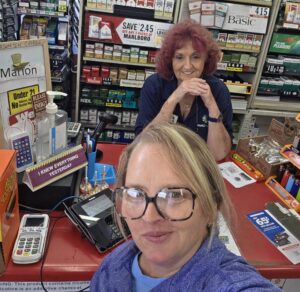
“I think like having more confidence is, it ties into your communication. And I think communication with your managers is the key to everything.”
For a supervisor overseeing multiple stores, communication isn’t just about passing information from one person to another. It determines whether managers understand a change, believe in it, and are willing to put it into practice.
Laura saw that firsthand when she started including her managers more in what the company was doing.
“If we include them, they’re more likely to buy into it and to help us increase our sales.”
That buy-in started showing up in the stores. Managers became more eager to learn, trained their cashiers to upsell, tried different approaches to increase sales, and began giving more feedback about ideas they believed could help the business.
For Laura, that’s what made the change worthwhile: seeing managers take ownership rather than simply being told what to do.
Make Change Something the Team Owns
Change can be uncomfortable, especially in a business where employees rely on routines to keep a store running smoothly.
Laura admits that she’s reluctant to change sometimes herself. That’s why she finds it especially satisfying when her managers are willing to make changes after she introduces something new.
“It’s just satisfying for me to be able to make a change and then when I make this change, then I go into the store and the managers, they’re willing to change and to do things differently.”
The lesson isn’t that every change will immediately work. It’s that managers are more likely to participate when they feel included in the process.
That is especially important for supervisors managing several locations. A change that makes sense in the office still has to make sense to the people working behind the counter, managing shifts, training employees, and dealing with customers every day.
Listen Before You Lead
Laura recognizes that listening has not always been her strongest skill. But becoming more willing to listen, consider her managers’ ideas, and try different approaches has made a difference.
“I’m not always the best listener, so going in, always willing to listen and try different things. Taking what they want to do and taking it into consideration, I feel like that’s what’s helped us the most.”
That is an important distinction between giving employees a voice and simply asking for feedback. Listening means being willing to consider what comes back and, when appropriate, act on it.
For store leaders, that can create a very different relationship with the team. Employees aren’t just receiving instructions; they’re contributing ideas and seeing that those ideas are taken seriously.
Be Ready for What’s Next
When Laura was asked what advice she would give someone considering a career in convenience retail, her answer came down to two things: people and change.
“I recommend that they really love people. Be up for a change because there’s always change happening in the convenience store.”
That fits the story Laura has built over 14 years at Tang Mart. She started with one store, took on more responsibility as the company grew, and eventually became a supervisor overseeing five stores. Her experience shows that leadership development isn’t only about learning new processes or taking on a bigger title. Sometimes it starts with recognizing something about yourself that needs to change.
For Laura, that meant becoming more positive, building her confidence, communicating more openly, listening more carefully, and bringing her managers into the process.
Those changes didn’t stay with her. They moved through the managers, the cashiers, and ultimately the customer experience.
And that’s where effective convenience store team communication can make a real difference: when the person leading the team changes how they communicate, the team has a better chance of changing with them.
Watch Laura’s Full Conversation
Hear more from Laura as she talks about her experience growing with Tang Mart, leading multiple stores, building manager buy-in, and helping her teams embrace change.
Looking for more leadership insights? Read Leading Through Change at Rams to see how another convenience store leader approaches change, systems, and team development.