July 20, 2026
Exceptional convenience store customer service isn’t built through one big initiative. It’s created through hundreds of small decisions that customers remember—solving problems before they become complaints, training employees every day, communicating with your team, and consistently finding ways to make customers’ lives easier.
After more than 15 years managing the same convenience store, Wanda has built exactly that kind of culture. As she begins stepping back from daily operations, her biggest priority isn’t simply keeping the store running—it’s making sure the customer-first mindset continues long after she’s no longer there every day.
Her story offers practical lessons for every convenience store manager looking to improve customer service, develop stronger teams, and build long-term customer loyalty.
Great Convenience Store Customer Service Starts Before Customers Walk In
Many managers think customer service begins when someone reaches the register. Wanda sees it differently. For her, customer service starts the moment something goes wrong.
If a coffee machine stops working late at night, she doesn’t wait until the morning to deal with it. She answers the phone, walks her team through fixing the issue, and helps solve the problem before customers are affected.
“I’d rather take care of that problem then than tomorrow morning when customers are asking what’s wrong with the coffee maker.”
That proactive mindset protects both the customer experience and the team’s confidence. Great managers don’t just react to problems—they prevent them from becoming customer problems in the first place.
Convenience Store Customer Loyalty Starts with Small Acts of Service
One of Wanda’s most successful promotions wasn’t complicated. When customers purchased a discounted 12-pack of soft drinks, her team let them leave the drinks in the store cooler. Customers could stop by during lunch, grab two cold drinks, and continue on their way without carrying a warm case around all day.
The promotion wasn’t simply about selling beverages—it solved a real customer problem. That’s the difference between selling products and creating convenience.
Wanda looks for opportunities like this every day. She hands out printed rewards barcodes to customers who don’t have time to sign up on the spot, decorates the store for every holiday because regulars enjoy it, and even buys balloons, coloring books, and treats for children. None of these ideas are expensive, but together they create an experience customers remember long after they leave the store.
Training Never Ends
Wanda puts it simply:
“Training never stops. You’re going to train them every day as long as they’re working for you.”
Even experienced employees are constantly learning. One cashier may know how to handle a register issue, while another may need help dealing with a difficult customer. Every shift creates new opportunities to coach, reinforce expectations, and improve.
For Wanda, training isn’t something that ends after onboarding. It’s part of everyday leadership, and that ongoing coaching creates more confident employees, stronger future leaders, and greater consistency across the entire team.
Leadership Means Creating a Culture Others Continue
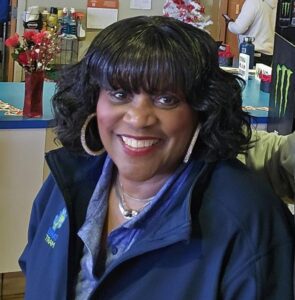 As Wanda gradually steps back from running the store every day, she isn’t trying to create employees who do everything exactly the way she would. Instead, she hopes they’ll carry forward the culture she’s spent years building.
She believes people naturally pick up habits from leaders they work alongside. When employees consistently see patience, accountability, and genuine care for customers, those behaviors become part of the store’s identity. Culture isn’t created through posters or policies—it’s built through everyday actions.
Patience Is a Competitive Advantage
Retail is unpredictable. Equipment breaks, customers become frustrated, and unexpected situations happen every day. Wanda believes patience is one of a manager’s greatest strengths during those moments.
When a cashier struggles with a difficult customer, she calmly steps in and handles the conversation herself. Years of experience have shown her that staying calm almost always leads to a better outcome than matching someone’s frustration.
That patience doesn’t just improve the customer experience—it also gives employees confidence, knowing they have a leader who will support them when challenges arise.
Strong Communication Improves Convenience Store Customer Service
When asked what advice she would give managers trying to step back from daily operations, Wanda immediately pointed to two things: communication and trust.
“It’s very important to communicate. If they communicate and trust, they’ll probably be okay.”
Employees need clear expectations, and managers need to trust their teams to make good decisions. Open communication also creates an environment where employees feel comfortable asking questions before small issues become bigger problems.
When those foundations are in place, managers can spend less time putting out fires and more time developing employees, improving operations, and strengthening relationships with customers.
Respect Creates Better Teams
Wanda’s advice for new managers had very little to do with reports, inventory, or sales numbers. Instead, it focused on people.
She encourages leaders to treat every employee fairly, avoid playing favorites, and work alongside their teams rather than above them. Showing respect and communicating with kindness creates trust, and trust builds stronger teamwork.
Employees who feel valued are more engaged, more willing to support one another, and ultimately provide better service to customers.
Her advice to new managers is straightforward:
“Treat them all fair… Never have a favorite.”
The Best Customer Service Doesn’t Feel Like Customer Service
Perhaps the biggest lesson from Wanda’s story is that exceptional convenience store customer service isn’t built through grand gestures. It’s built through small, consistent actions that make customers’ lives easier.
Answering a late-night phone call, keeping the coffee ready for the morning rush, helping someone save time during lunch, decorating the store for holidays, or remembering a regular customer’s name may seem like small details. Together, they create an experience that customers remember.
Wanda’s philosophy isn’t complicated. It’s about showing up every day, treating people with respect, and doing the little things consistently.
As she says,
“Treat people the way you want to be treated.”
That simple approach has helped her build loyal customers, strong teams, and a store culture people keep coming back to.
Watch the Full Conversation
Hear more from Wanda as she shares practical lessons on convenience store customer service best practices, team leadership, and creating loyal customers through everyday actions.
Looking for more leadership insights? Read how Dylan at Rams approaches leading change, building strong systems, and improving convenience store operations in our blog, Leading Through Change at Rams
Convenience Store Operations Best Practices | Leading Through Change at Rams