May 18, 2026
By Vince Hammock
After more than 20 years in the convenience store business, working my way up from pumping gas to overseeing multiple stores – you start to think you’ve seen it all. Then you attend a conference like CFX and realize…the industry is evolving faster than a lunch rush on a Friday when the pizza oven breaks. What stood out most this year wasn’t just new products or flashy technology. It was how quickly convenience stores foodservice trends are transforming into true foodservice destinations, and how the operators winning today are approaching the business very differently than they did even five years ago.
Here are the top 10 things I learned at the CFX Conference, and why they matter for the future of convenience store foodservice.
1. Foodservice Doesn’t Have to Be Hard – But It Does Have to Be Disciplined (Don Longo)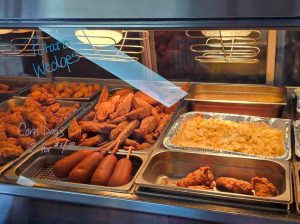
This one hit home. We’ve all seen stores try to do too much too fast – complicated menus, inconsistent execution, and frustrated staff.
The takeaway?
Keep it simple – but execute like a pro.
Discipline means:
- Consistent prep
- Clean execution
- Tight operational processes
- Reliable customer experiences
Foodservice is now responsible for over 26% of in-store sales and growing, so doing it halfway just doesn’t cut it anymore. [nacsmagazine.com]
2. The Power of a Well-Planned LTO Program
Limited Time Offers (LTOs) aren’t just promotions – they’re traffic drivers and loyalty builders.
The best example? McDonald’s McRib. It’s been around since 1981 and it disappears, comes back, creates buzz, and gets customers returning year after year. Customers don’t just buy the product – they anticipate the experience.
That same strategy applies to convenience stores.
The lesson:
- Give customers something to anticipate
- Bring back successful LTOs annually
- Build traditions, not just menu items
If people will literally plan road trips for a sandwich, imagine what they’ll do for your best-selling item.
3. Data-Driven Operations Are No Longer Optional (Liza Salaria)
Margins are shrinking. Labor cost is rising. Guesswork is dead.
One thing became very clear throughout the conference: Operators who still rely entirely on gut instinct are going to eventually get burned.
The stores gaining momentum are using:
- Accurate forecasting
- Real-time inventory tracking
- Sales analytics that actually work
Data isn’t replacing experience. It’s strengthening decision-making. The operators who combine operational experience with strong analytics are the ones positioning themselves for long-term success.
4. Build a Strong Core Menu First
One hero item won’t save you.
The smarter play:
- Develop a core menu of reliable, high-margin items
- Use a satellite menu to test new ideas
Prepared food already makes up 71.9% of foodservice sales in c-stores, so consistency matters more than chasing trends. [nacsmagazine.com]
Think of it like this: your core menu pays the bills – your test menu grows the business.
5. Marketing Isn’t Optional Anymore
Many operators still treat marketing like an afterthought. The chains growing fastest are doing the opposite.
They’re investing heavily in:
- Food photography
- Digital promotions
- Loyalty engagement
- Community-based marketing
- Local targeting
And perhaps most importantly, they understand hyper-local marketing.
That means:
- Promoting breakfast to nearby construction crews
- Running lunch deals for local office workers
- Leveraging school schedules and community events
It works because c-store customers are driven by proximity and habit. And let’s be honest – if your customer lives three blocks away, you’re either their go-to… or you’re invisible.
6. Protein Is Driving the Convenience Store Foodservice Industry Forward
Protein isn’t just a trend—it’s a movement. It continues to dominate consumer demand.
- 61% of consumers increased protein intake recently [cargill.com]
- 78% of shoppers actively pay attention to protein in their diet [numerator.com]
- Protein plays a role in 36% of snack occasions [csnews.com]
Customers are actively seeking it, and willing to pay for it.
What this means for c-stores:
- Chicken, beef, and grab-and-go protein snacks are key
- Protein-forward menus outperform traditional roller grill thinking
The old model of “hot dog and soda” isn’t dead—but it’s definitely got competition.
7. Consumers Care More About Food Quality and Sourcing
Today’s customers, especially younger generations want more transparency, knowing where food comes from and how it’s produced matters more than ever.
That includes – Ingredient quality, food sourcing, freshness, and antibiotic-free proteins
Operators who ignore this shift risk falling behind fast.
8. Digital Ordering Is Reshaping Convenience Store Foodservice Trends
Digital isn’t coming — it’s already here, changing customer behavior.
More customers now expect:
- Mobile ordering (28% growth in app-based ordering among younger consumers [gitnux.org])
- App-based loyalty
- Faster pickup experiences
- Personalized offers
And here’s the kicker!
Digital orders often produce larger basket sizes than traditional in-store purchases. [capitalone…opping.com] That creates a huge opportunity for convenience retailers willing to invest in the customer experience beyond the store counter.
9. The Food Pyramid Has Changed—And Customers Have Too
Another major shift discussed throughout the conference was how dramatically customer expectations around food have changed.
Health-conscious eating is no longer niche.
In fact, recent industry data shows that 82% of consumers now prioritize wellness, while 90% of Millennials and Gen Z say healthy food spending is important to them. Even inside convenience retail, more than half of shoppers actively look for better-for-you options.
Younger generations are driving this shift:
- More interest in fresh, clean, and functional food
- More willingness to spend on quality
Customers still want convenience.
But now they also want food that aligns with their lifestyle. If your menu hasn’t evolved yet, your customer already has.
10. From Gas Stations to Food Destinations
This might be the biggest transformation of all.
Convenience stores have gone from cashiers heating food behind the counter to trained chefs building menus and stores creating real dining experiences.
Customers today want more than speed and convenience. They want:
- Flavor
- Culture
- Story
The Role of Storytelling
Storytelling in foodservice means:
- Highlighting origin (global flavors, regional dishes)
- Creating emotional connections
- Making food feel like an experience, not just a transaction
This ties directly into what younger consumers want: authenticity and experience.
And let’s be honest—nobody ever got excited about a “microwave burrito of the month.” But a street-style taco with a story behind it? Now you’ve got something.
Final Thoughts
After 20+ years in this industry, one thing is clear:
Convenience stores are no longer just convenient—they’re competitive.
The biggest convenience store foodservice trends aren’t temporary shifts — they’re changing customer expectations permanently.
Foodservice is driving the future, and the operators who succeed will be the ones who:
- Stay disciplined
- Use data
- Invest in marketing
- Embrace health trends
- And deliver real value to customers
The days of “good enough” are gone.
And honestly? That’s a good thing.
Because if there’s one thing I’ve learned over the years—it’s that this industry rewards the people who are willing to evolve… and punishes the ones who think the roller grill is still the main attraction.